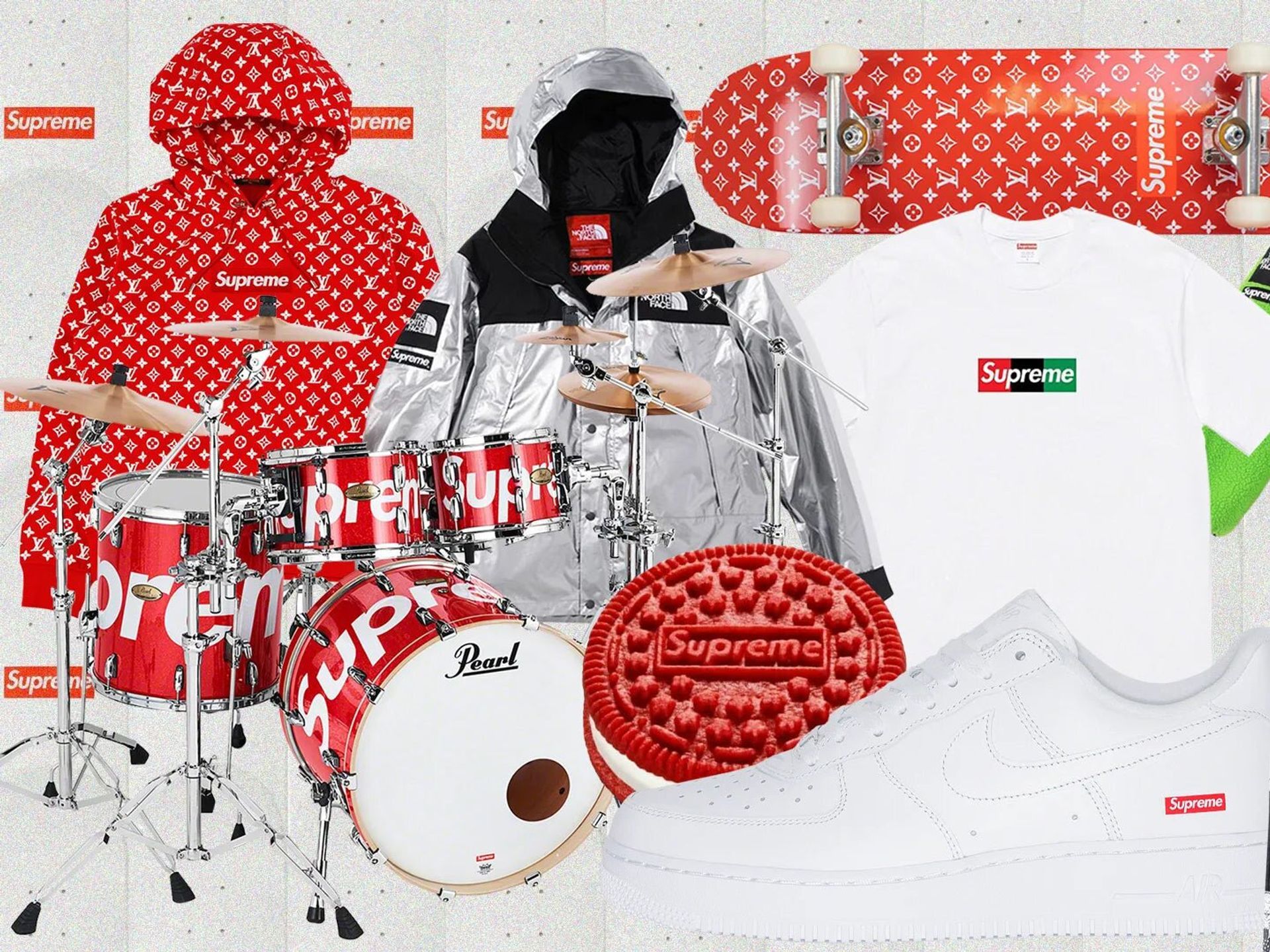
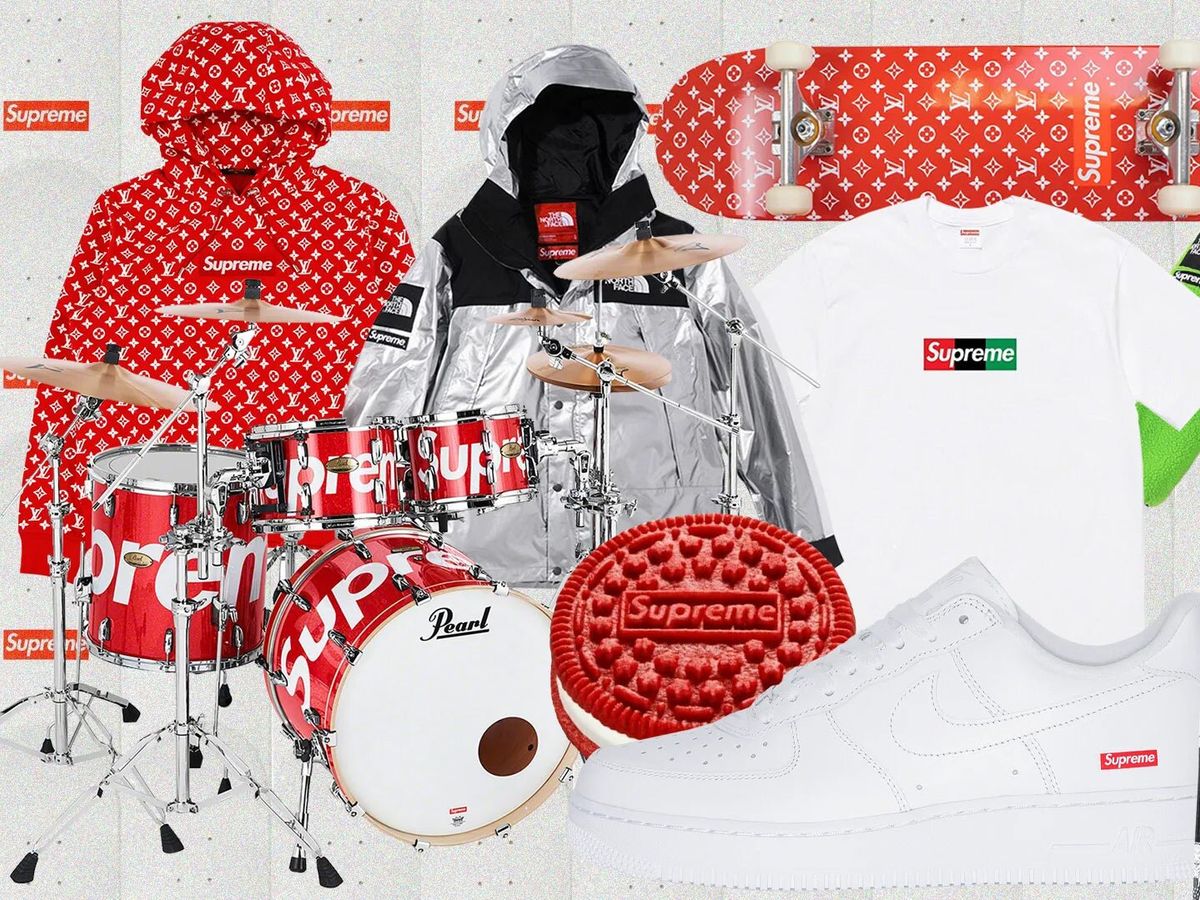
Streetwear, once an underground subculture, has now firmly established itself in the mainstream fashion world. Central to this evolution is Supreme, the iconic brand that has defined streetwear culture for over two decades. As we step into a new era of fashion trends, it's essential to ponder the trajectory of Supreme and the broader shift in streetwear aesthetics.
Supreme emerged in New York City in the early '90s as a small skate shop. Over time, it has grown into a global phenomenon, collaborating with industry giants, artists, and musicians. Supreme's logo, the iconic red box with white Futura Heavy Oblique font, has become instantly recognizable, symbolizing the essence of streetwear.
Is Supreme in Decline?
A critical question on many streetwear enthusiasts' minds is whether Supreme is experiencing a decline. The brand's hype has been both its strength and weakness. Supreme's recent acquisition by VF Corporation raises concerns about its independence and authenticity.
Graphic-heavy streetwear is all about bold, eye-catching visuals. Brands like Off-White, with its signature diagonal stripes and block lettering, epitomize this trend. These designs often feature large logos, intricate patterns, and vibrant colors, making a loud statement.
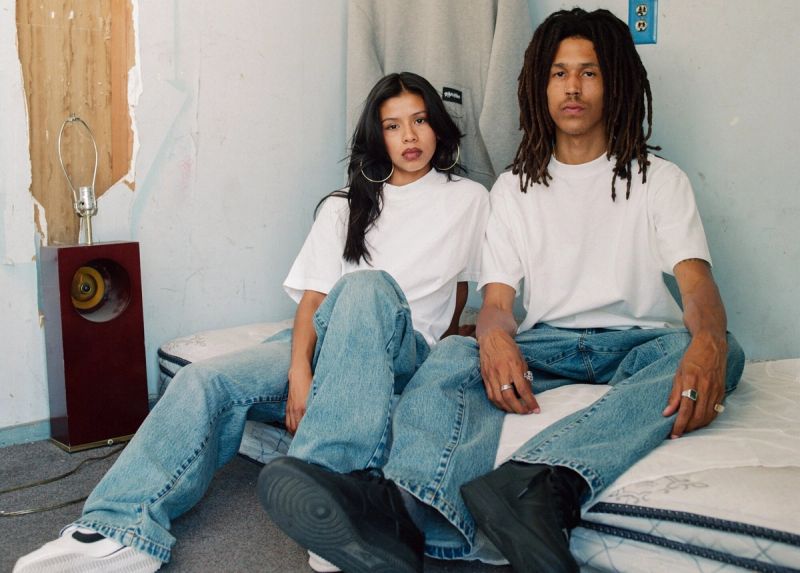
On the flip side, we have minimalist streetwear, characterized by clean lines, subtle branding, and a focus on high-quality materials and craftsmanship. Brands like Aime Leon Dore and Noah represent this trend.
As we navigate the ever-changing world of fashion, Supreme stands as a symbol of streetwear's transformation from niche subculture to global phenomenon. Its future remains uncertain, but streetwear will continue to evolve, blending the graphic-heavy and minimalist aesthetics to create new and exciting styles.
No blog posts found