
In the realm of textile and garment dyeing, two processes stand out for their ability to infuse vibrant hues into fabrics: pigment dye and reactive dye. These two methods, while both capable of producing captivating colors, have distinct characteristics that set them apart.
Pigment Dye: A Brush with Versatility
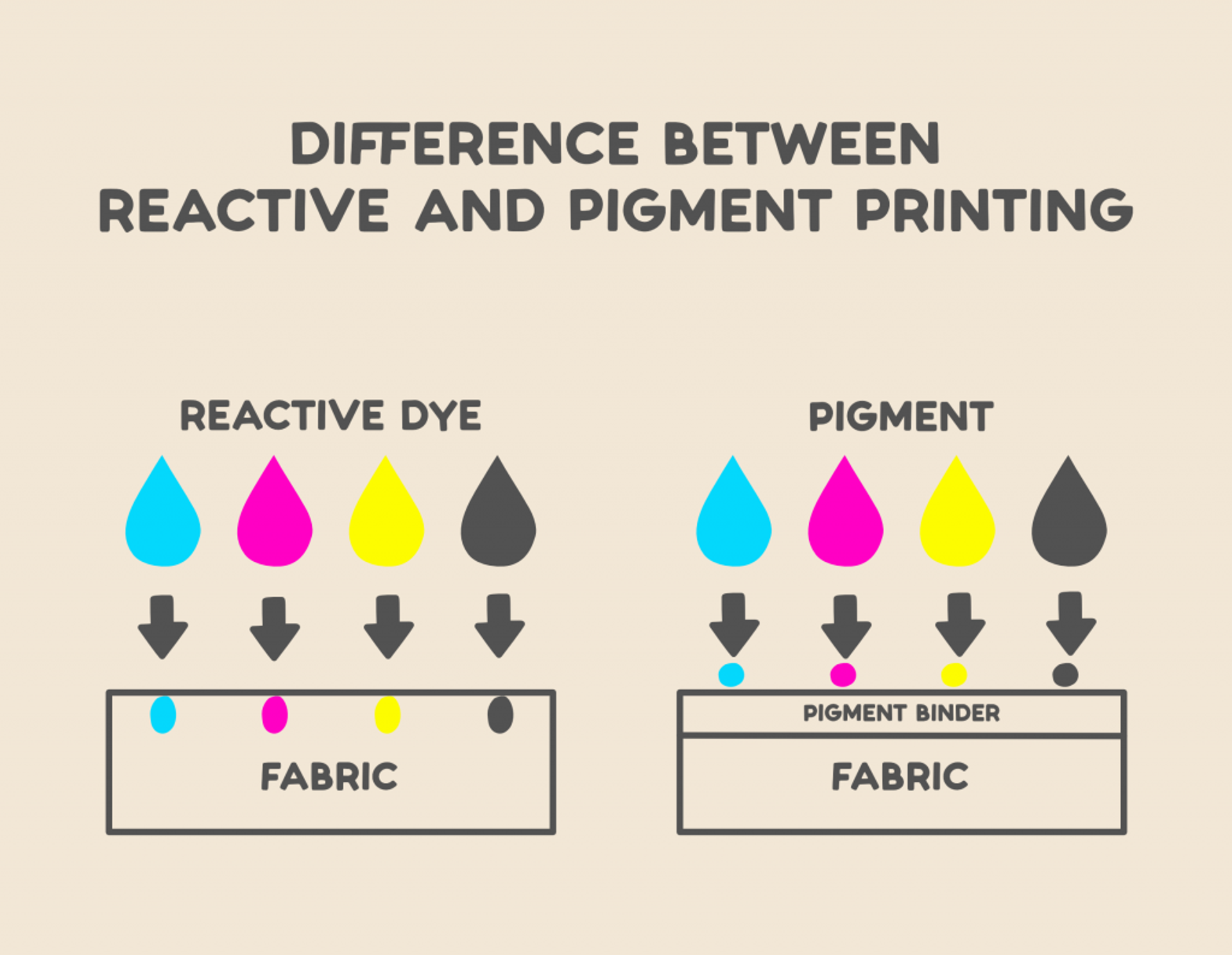
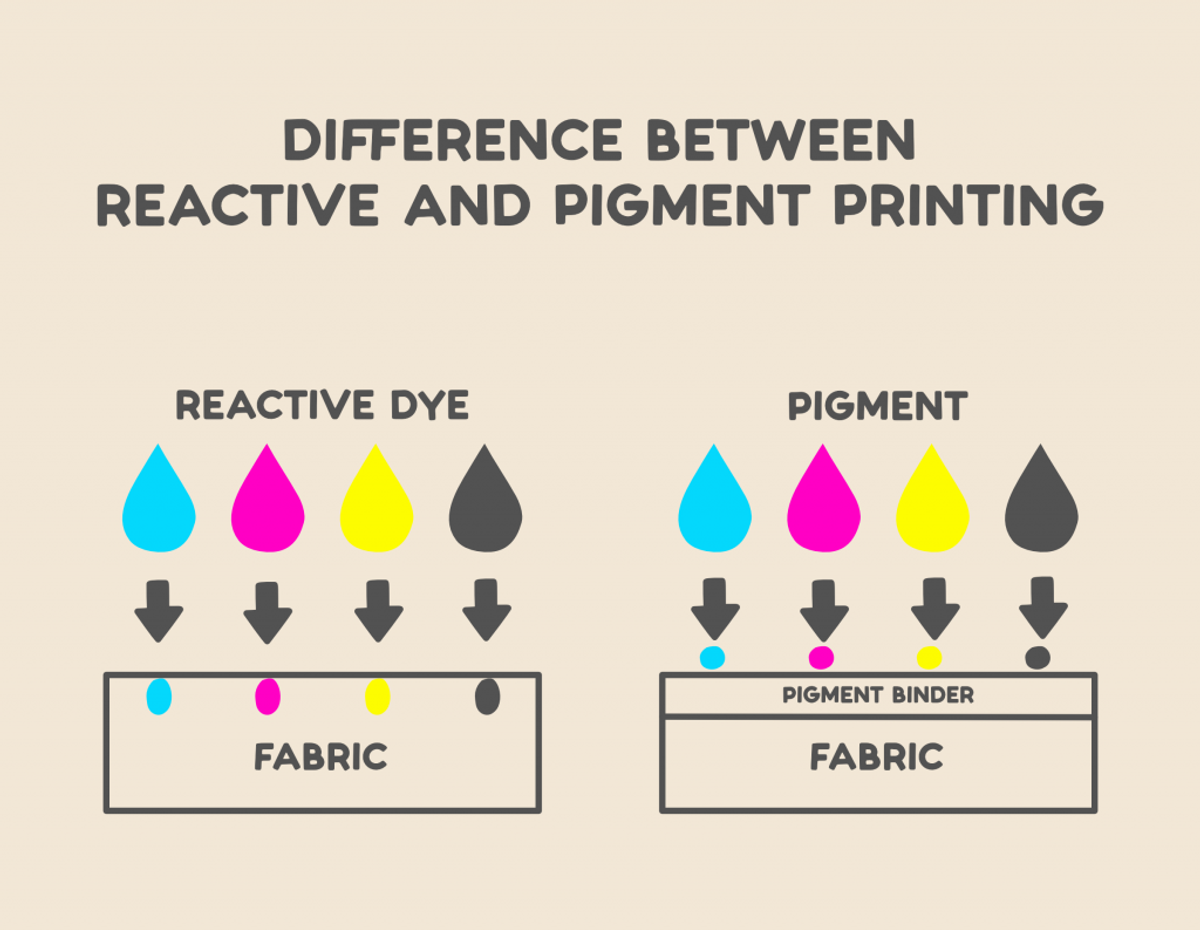
Pigment dyeing is a method that involves applying color to the fabric's surface, rather than chemically bonding with the fibers. Pigment dye molecules are larger and rest on the fabric's surface, resulting in a slightly faded, vintage appearance.
Advantages of Pigment Dye:
- Variety of Colors: Pigment dye offers an extensive range of colors, making it a popular choice for achieving unique and vibrant shades.
- Soft Feel: The dye remains on the fabric's surface, preserving its soft texture and natural drape.
- Creative Possibilities: Pigment dye allows for artistic experimentation, enabling designers to create one-of-a-kind patterns and effects.
Reactive Dye: Bonding for Longevity
Reactive dyeing involves a chemical reaction between the dye molecules and the fabric's fibers. This reaction forms a strong bond, ensuring the color remains vibrant even after multiple washes.
Advantages of Reactive Dye:
- Color Fastness: Reactive dye forms a robust bond with the fabric, making it resistant to fading and washing.
- Crisp Colors: The deep penetration of reactive dye results in vivid and sharp colors.
- Durability: Reactive-dyed fabrics maintain their color vibrancy over extended periods.
Choosing the Right Dye: A Matter of Purpose
The choice between pigment dye and reactive dye ultimately depends on the intended purpose of the fabric. Pigment dye is favored for achieving a casual, worn-in look. Reactive dye ensures enduring color brilliance, making it suitable for garments intended for daily wear.
In the world of textiles, both methods bring their unique advantages and characteristics to the fabric, allowing designers and consumers to select the dyeing process that aligns with their creative vision and practical needs.
No blog posts found